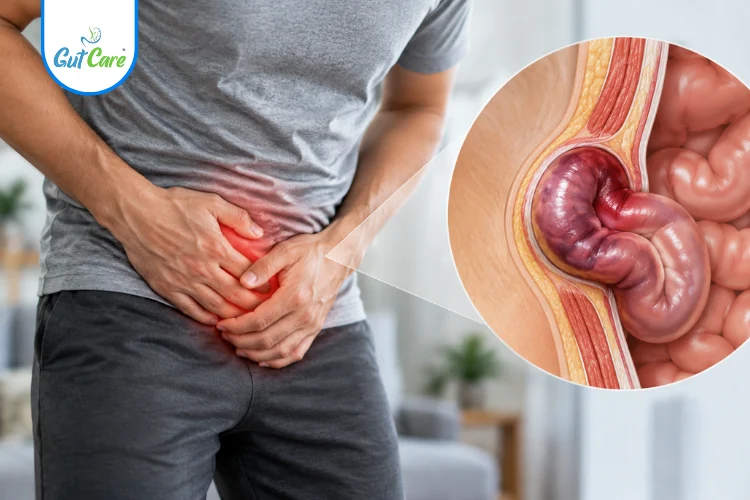
Short bowel syndrome, also known as short gut syndrome, is a digestive condition that develops when a significant part of the small intestine is missing, has been surgically removed or is unable to absorb nutrients effectively.
The small intestine plays an important role in absorbing carbohydrates, proteins, fats, vitamins, minerals and fluids from food. When too little functioning intestine remains, the body may struggle to absorb enough nutrients and water.
At Gutcare Clinics, people experiencing persistent diarrhoea, unexplained weight loss, nutritional deficiencies or other symptoms of malabsorption can be evaluated to understand the underlying digestive problem and determine the most appropriate management plan.
Short bowel syndrome can vary greatly from one person to another. Some people may manage their condition with dietary changes and supplements, while others may require specialised nutritional support and ongoing medical care.
Book an appointment Today!
What Causes Short Bowel Syndrome?
The most common cause of short bowel syndrome is the surgical removal of a large portion of the small intestine.
This type of surgery may be required when part of the bowel becomes severely damaged or diseased.
Common causes include:
Crohn’s Disease
Severe Crohn’s disease can cause long-term inflammation, narrowing or damage to the intestine. Some patients may require repeated bowel surgeries, which can reduce the amount of functioning small intestine.
Mesenteric Ischaemia
Mesenteric ischaemia occurs when blood flow to part of the intestine becomes significantly reduced or blocked. Without adequate blood supply, intestinal tissue may become damaged and require surgical removal.
Intestinal Obstruction
A severe blockage in the intestine can sometimes interrupt blood supply or damage bowel tissue. Surgery may be required if the affected section cannot be preserved.
Intestinal Volvulus
Volvulus occurs when part of the intestine twists around itself. This can interfere with normal blood circulation and may lead to bowel damage.
Trauma
Severe abdominal injuries caused by accidents or other trauma may occasionally require the removal of damaged portions of the intestine.
Cancer
Certain cancers affecting the intestine or surrounding tissues may require surgery involving removal of part of the bowel.
Congenital Conditions
Some infants are born with a shortened or underdeveloped intestine. Conditions such as intestinal atresia may also contribute to short bowel syndrome in children.
How Does Short Bowel Syndrome Affect Digestion?
Most nutrient absorption takes place in the small intestine.
When a substantial portion of it is removed or stops functioning properly, food may move through the digestive tract too quickly for adequate absorption.
This can result in malabsorption, meaning the body does not receive enough nutrients from the food consumed.
The impact depends on several factors, including:
- How much small intestine remains
- Which section of the intestine has been removed
- Whether the colon is still present
- The underlying medical condition
- Overall intestinal health
- How well the remaining bowel adapts after surgery
The remaining intestine may gradually become more efficient at absorbing nutrients. This natural process is known as intestinal adaptation.
Symptoms of Short Bowel Syndrome
Symptoms can range from mild to severe depending on how much functioning intestine remains.
Common short bowel syndrome symptoms include:
- Frequent diarrhoea
- Loose or watery stools
- Abdominal cramping
- Bloating
- Excess gas
- Unintentional weight loss
- Fatigue
- Weakness
- Dehydration
- Reduced appetite
- Greasy or foul-smelling stools
Some people may also develop signs of vitamin or mineral deficiencies.
These can include muscle weakness, anaemia, numbness, bone problems or changes in skin and hair health.
Why Does Diarrhoea Occur in Short Bowel Syndrome?
Diarrhoea is one of the most common problems associated with short bowel syndrome.
Food and fluids may pass through the shortened intestine rapidly, leaving less time for water and nutrients to be absorbed.
Unabsorbed nutrients can also draw additional water into the intestine, making stools more frequent and watery.
Persistent diarrhoea can lead to further problems, including:
- Dehydration
- Sodium loss
- Potassium imbalance
- Magnesium deficiency
- Weight loss
- Malnutrition
Controlling fluid and nutrient loss is therefore an important part of short bowel syndrome management.
Nutritional Management of Short Bowel Syndrome
Nutrition is one of the most important parts of managing short bowel syndrome.
There is no single short bowel syndrome diet that works for everyone. Dietary recommendations depend on how much intestine remains, which section was removed and whether the colon is functioning.
A gastroenterologist and clinical dietitian may work together to develop an individual nutritional plan.
Eat Smaller, More Frequent Meals
People with short bowel syndrome are often advised to eat several smaller meals throughout the day rather than two or three large meals.
Smaller portions may be easier for the intestine to process and may improve nutrient absorption.
Eating approximately five to six smaller meals may be suitable for some patients, although individual recommendations can vary.
Include Adequate Protein
Protein is essential for maintaining muscle mass, supporting tissue repair and preventing malnutrition.
Protein sources may include:
- Eggs
- Fish
- Chicken
- Lean meat
- Paneer
- Curd
- Tofu
- Pulses, depending on tolerance
Protein requirements may be higher in people with significant malabsorption.
Choose Carbohydrates Carefully
Complex carbohydrates may provide an important source of energy.
Depending on individual tolerance, options can include:
- Rice
- Oats
- Potatoes
- Whole grains
- Soft-cooked vegetables
- Other easily tolerated starches
Foods containing large amounts of refined sugar may worsen diarrhoea in some people because poorly absorbed sugar can draw more water into the bowel.
Adjust Fat Intake if Needed
Fat absorption may be reduced in some people with short bowel syndrome.
Excess unabsorbed fat can contribute to:
- Greasy stools
- Diarrhoea
- Abdominal discomfort
- Loss of fat-soluble vitamins
However, fat should not automatically be eliminated from the diet because it remains an important source of energy.
The amount and type of dietary fat should be adjusted according to the individual’s anatomy and tolerance.
Maintain Proper Hydration
Drinking enough fluid is essential, but simply drinking large quantities of plain water may not always correct dehydration in people with severe short bowel syndrome.
In some cases, oral rehydration solutions containing the right balance of glucose and electrolytes may improve fluid absorption.
People experiencing persistent diarrhoea or dehydration should discuss their fluid requirements with their healthcare team.
Replace Vitamins and Minerals
Malabsorption can result in deficiencies of important vitamins and minerals.
Depending on which part of the bowel has been removed, supplements may be required for:
- Vitamin B12
- Vitamin D
- Vitamin A
- Vitamin E
- Vitamin K
- Calcium
- Iron
- Magnesium
- Zinc
- Folate
Blood tests may be used periodically to identify nutritional deficiencies.
Supplements should ideally be taken under medical guidance because requirements can vary considerably between patients.
Vitamin B12 and the Ileum
Vitamin B12 is mainly absorbed in the final portion of the small intestine, known as the terminal ileum.
People who have had a substantial portion of the ileum removed may have difficulty absorbing vitamin B12 through food or conventional oral supplements.
Some may require specialised replacement, including injections, depending on their condition.
Reduce Foods That Worsen Symptoms
Some foods may increase diarrhoea, bloating or discomfort.
Common triggers can include:
- Very sugary foods
- Sweetened beverages
- Excess alcohol
- Highly processed foods
- Large quantities of caffeine
- High-fat meals in some patients
- Sugar alcohols such as sorbitol
However, unnecessary food restrictions can make nutritional deficiencies worse. Foods should therefore be restricted only when there is a clear reason.
Chew Food Thoroughly
Thorough chewing begins the digestive process before food reaches the intestine.
Eating slowly and chewing food properly can help make meals easier to digest and may improve overall tolerance.
When Is Specialised Nutritional Support Needed?
Some patients with significant short bowel syndrome are unable to absorb enough nutrition through regular food alone.
Additional nutritional support may then be required.
Oral Nutritional Supplements
High-energy or high-protein nutritional supplements may be recommended when normal food intake is insufficient.
Enteral Nutrition
Enteral nutrition delivers nutrients through the gastrointestinal tract, sometimes through a feeding tube.
Using the intestine whenever possible can help support intestinal adaptation.
Parenteral Nutrition
Parenteral nutrition delivers nutrients directly into the bloodstream through an intravenous line.
It may be required when the remaining intestine cannot absorb enough nutrients or fluids to meet the body’s needs.
Some people require parenteral nutrition temporarily while the bowel adapts, while others with severe intestinal failure may need longer-term nutritional support.
What Is Intestinal Adaptation?
After a major bowel resection, the remaining intestine can gradually change to improve its ability to absorb nutrients.
This process is known as intestinal adaptation.
Changes may include:
- Increased intestinal absorptive capacity
- Structural changes in the intestinal lining
- Slower movement of food through the digestive tract
- Better utilisation of nutrients
Adaptation can continue for months or even longer after surgery.
Maintaining appropriate nutrition during this period is particularly important.
Medical Treatment for Short Bowel Syndrome
Treatment depends on the severity of symptoms and the person’s nutritional requirements.
Doctors may prescribe medicines to:
- Reduce diarrhoea
- Slow intestinal movement
- Reduce excess stomach acid
- Improve fluid absorption
- Address specific nutritional deficiencies
Some patients with severe intestinal failure may also be considered for medicines that help promote intestinal absorption.
Treatment should be personalised and monitored by a gastroenterology team.
Possible Complications of Short Bowel Syndrome
Without adequate management, short bowel syndrome may lead to several complications.
These can include:
Malnutrition
Insufficient absorption of calories and nutrients may result in progressive weight loss and weakness.
Dehydration
Frequent diarrhoea can cause considerable loss of water and electrolytes.
Vitamin and Mineral Deficiencies
Malabsorption can affect several essential nutrients and may contribute to anaemia, bone weakness and other health problems.
Kidney Stones
Certain changes in intestinal absorption may increase the risk of some types of kidney stones.
Gallstones
Changes in bile salt circulation after intestinal surgery can increase gallstone risk in some patients.
Small Intestinal Bacterial Overgrowth
Changes in intestinal anatomy and movement can sometimes encourage excessive bacterial growth in the small intestine, resulting in bloating, diarrhoea and further malabsorption.
When Should You See a Gastroenterologist?
Medical evaluation is advisable if you experience persistent symptoms such as:
- Chronic diarrhoea
- Significant unexplained weight loss
- Frequent dehydration
- Persistent weakness or fatigue
- Nutritional deficiencies
- Difficulty maintaining body weight after bowel surgery
- Greasy or unusually frequent stools
People who have undergone extensive bowel surgery generally require ongoing follow-up to monitor nutritional status and intestinal function.
Living With Short Bowel Syndrome
Short bowel syndrome is a long-term condition, but nutritional requirements may change considerably as the remaining intestine adapts.
Successful management often involves a combination of:
- Personalised diet planning
- Adequate hydration
- Nutritional supplements
- Medication
- Regular blood tests
- Monitoring body weight
- Gastroenterology follow-up
- Dietitian support
Rather than following a highly restrictive diet found online, people with short bowel syndrome benefit from nutritional recommendations based on their individual intestinal anatomy and absorption capacity.
Conclusion
Short bowel syndrome occurs when the small intestine is unable to absorb enough nutrients and fluids because a significant portion has been removed, damaged or is not functioning normally.
Diarrhoea, dehydration, weight loss and nutritional deficiencies are among its most common challenges.
Proper nutritional management of short bowel syndrome can help improve nutrient intake, reduce complications and support intestinal adaptation. The right approach may include smaller meals, adequate protein and energy intake, appropriate hydration, vitamin and mineral replacement and, in more severe cases, enteral or parenteral nutrition.
Because nutritional requirements differ considerably between individuals, anyone with suspected or confirmed short bowel syndrome should work with a gastroenterologist and qualified dietitian to develop an appropriate long-term management plan.
Find us here:Gutcare Clinics, Indiranagar, Bangalore | Dr. Yuvraj Singh Gehlot, Digestive Health Specialist
Frequently Asked Questions
1. Can short bowel syndrome be cured?
The outlook depends on how much functioning intestine remains and how well it adapts after surgery. Some people gradually become less dependent on nutritional support, while others may need ongoing treatment and supplementation.
2. What foods are good for short bowel syndrome?
Many patients benefit from smaller, frequent meals containing adequate protein, energy and easily tolerated carbohydrates. Dietary recommendations should be personalised because the ideal diet depends on which parts of the intestine remain.
3. Can people with short bowel syndrome eat normally?
Some people can eventually maintain nutrition with a relatively normal modified diet, while others need supplements, tube feeding or intravenous nutrition. The level of support required varies substantially.
4. Why does short bowel syndrome cause weight loss?
Weight loss occurs when the shortened intestine cannot absorb enough calories, protein, fats and other nutrients from food. Persistent diarrhoea can further increase nutrient and fluid loss.
5. Is short bowel syndrome the same as malabsorption?
Short bowel syndrome is one cause of malabsorption. Malabsorption can also occur because of conditions such as coeliac disease, pancreatic disorders, inflammatory bowel disease and other intestinal conditions.