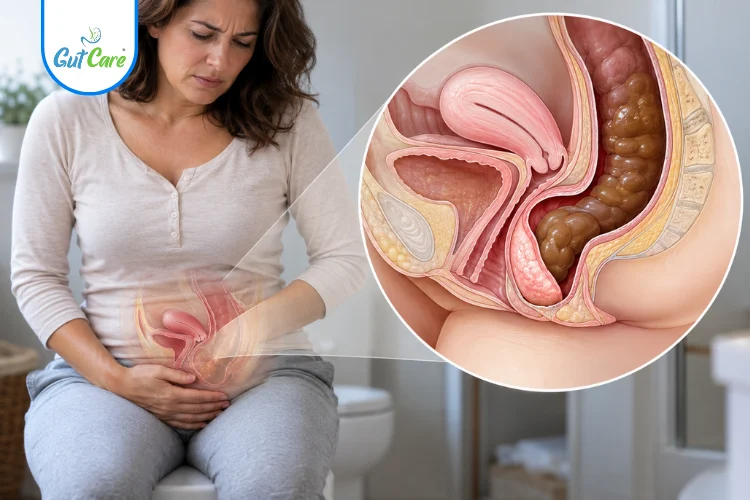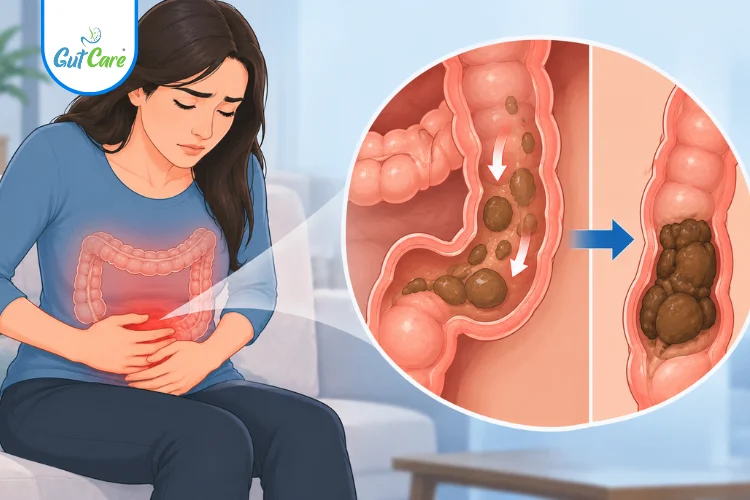
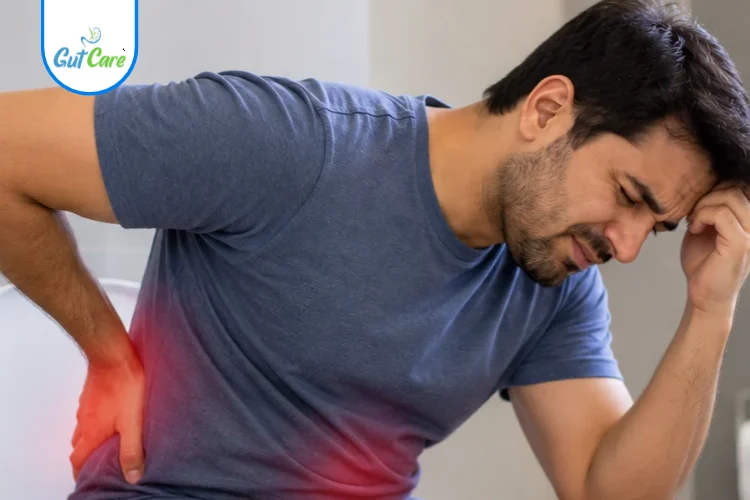
Constipation and back pain can sometimes appear together, leaving you wondering whether one problem is causing the other. When bowel movements become difficult, infrequent or uncomfortable, you may also notice abdominal discomfort, bloating or pressure that seems to extend towards the back.
The connection is not always straightforward. Constipation and back pain may occur together because of straining, bloating, changes in movement or other factors. In some cases, the two symptoms may have separate causes.
Understanding the pattern of your symptoms can help you decide whether simple changes to your routine may be enough or whether it is time to speak with a specialist.
At Gutcare Clinics, Bangalore, we help patients understand persistent digestive symptoms rather than focusing on a single symptom in isolation.
If constipation and back pain are affecting your daily routine or keep returning, consider discussing your symptoms with a gastroenterology specialist at Gutcare Clinics in Bangalore.
What Is the Connection Between Constipation and Back Pain?
Constipation mainly affects the bowel, while back pain can involve the muscles, joints, nerves or other structures around the back. Even so, the two symptoms can occur during the same period.
When stool is difficult to pass, you may spend longer on the toilet or repeatedly strain. This can place additional stress on the muscles around the abdomen, pelvis and lower back, which may contribute to discomfort.
Constipation may also occur with bloating, abdominal fullness and a feeling of pressure. Some people may perceive this discomfort around the lower abdomen or back.
Your daily routine can also play a role. When you are constipated, you may move less, sit for longer or change your posture because of abdominal discomfort. Reduced physical activity and prolonged sitting may occur alongside back discomfort.
There may also be a shared lifestyle factor rather than a direct connection between the two symptoms. Changes in diet, fluid intake, physical activity or routine can affect bowel habits while also influencing how your back feels.
How to Tell Whether the Symptoms May Be Connected
Pay attention to the timing and pattern of both symptoms.
Ask yourself:
- Did the back discomfort begin around the same time as constipation?
- Does the back discomfort become more noticeable when you are struggling to pass stool?
- Are you also experiencing bloating or abdominal fullness?
- Are you spending longer on the toilet or straining more than usual?
- Does the back discomfort improve when your bowel habits return to normal?
- Does the back pain continue even when you are no longer constipated?
Keeping track of these changes can provide useful information during a medical consultation.
It is important not to assume that every episode of lower back pain is caused by constipation. If the pain continues after your bowel symptoms improve, the back discomfort may need to be assessed separately.
What Symptoms Can Occur With Constipation?
Constipation does not always feel the same for everyone. Some people mainly notice difficulty passing stool, while others experience several symptoms at the same time.
Common bowel-related symptoms can include:
- Hard or dry stools
- Fewer bowel movements than usual
- Difficulty passing stool
- Repeated straining
- A feeling that the bowel has not emptied completely
- Bloating
- Abdominal fullness or discomfort
Back discomfort may occur alongside these symptoms, but its presence does not automatically mean that constipation is the cause.
The overall pattern, duration and changes in your usual bowel habits are more useful than focusing on one symptom alone.
How to Relieve Constipation and Back Discomfort
If your symptoms are mild and occasional, simple changes to your daily routine may help support regular bowel habits.
Keep Your Fluid Intake Consistent
Not drinking enough fluids can make comfortable bowel movements more difficult for some people.
Rather than waiting until you feel very thirsty, make regular fluid intake part of your daily routine.
Include Fibre-Rich Foods
Fibre is an important part of a balanced diet and can support regular bowel movements.
Depending on your usual diet, you may include foods such as:
- Vegetables
- Fruits
- Whole grains
- Pulses
- Beans
- Other naturally fibre-rich foods
If you increase fibre, doing so gradually may be more comfortable than making a sudden major change.
Stay Physically Active
Regular movement can support overall digestive health and may also be useful for people who spend long periods sitting.
A daily walk or another suitable physical activity can be a simple way to reduce prolonged inactivity.
Avoid Repeated Straining
Try not to make forceful straining a regular part of your toilet routine.
If passing stool consistently requires significant effort, the problem may need more attention rather than simply more straining.
Pay Attention to Your Toilet Routine
Ignoring the urge to pass stool repeatedly can make it harder to maintain a regular bowel routine.
Allow yourself enough time and avoid rushing when you need to use the toilet.
If constipation keeps returning despite changes to your routine, speaking with a gastroenterology specialist can help identify what may be contributing to the problem.
When Constipation and Back Pain Need Medical Attention
Occasional constipation is common, but persistent or changing symptoms deserve attention.
Consider arranging a medical consultation if:
- Constipation keeps coming back
- Your usual bowel pattern has changed for no clear reason
- Back pain continues even after constipation improves
- You regularly need to strain to pass stool
- Bloating or abdominal discomfort keeps returning
- You feel that your bowel is not emptying properly
- Symptoms are interfering with your work, sleep or everyday activities
Back pain should also be assessed separately if it is severe, persistent or accompanied by other concerning symptoms.
Seek prompt medical attention if bowel or bladder control changes occur with significant back symptoms, or if you develop new weakness or numbness. These symptoms should not simply be assumed to be caused by constipation.
How Is the Cause of Constipation and Back Pain Evaluated?
A consultation usually starts with understanding your symptoms and their pattern.
A doctor may ask about:
- How long you have been constipated
- How often you pass stool
- Stool consistency
- Whether you strain
- Whether you experience bloating or abdominal discomfort
- Where the back pain is located
- When the back pain occurs
- Your diet and fluid intake
- Your physical activity
- Any recent changes in your routine
- Other symptoms that occur at the same time
Depending on the situation, further evaluation may be considered.
The important point is that constipation and back pain should not always be treated as one problem. Understanding whether they are connected or occurring independently can help guide the next step.
Constipation and Back Pain: When to Look Beyond Constipation
One of the most important things to remember is that back pain has many possible causes.
If your bowel movements become regular but your back pain continues, it may be worth assessing the back discomfort separately rather than continuing to assume constipation is responsible.
Similarly, if constipation continues even after the back pain settles, the bowel symptoms may need their own evaluation.
This distinction is particularly useful when symptoms are persistent, recurrent or gradually changing.
How to Reduce the Risk of Recurrent Constipation
A few consistent habits can support healthier bowel routines:
- Eat a balanced diet with suitable fibre sources
- Maintain regular fluid intake
- Stay physically active
- Avoid repeatedly ignoring the urge to pass stool
- Reduce prolonged periods of sitting where possible
- Keep track of persistent changes in bowel habits
- Seek professional advice when constipation becomes recurrent
The goal is not simply to have a bowel movement on a particular day. It is to understand what is normal for you and recognise meaningful changes.
If recurring constipation is affecting your routine, consider speaking with a specialist rather than repeatedly managing the symptoms on your own.
Find us here:Gutcare Clinics, Indiranagar, Bangalore | Dr. Yuvraj Singh Gehlot, Digestive Health Specialist
FAQs
Can constipation cause back pain?
Constipation can occur alongside back discomfort, particularly when there is bloating, abdominal pressure or repeated straining. However, not all back pain is related to constipation, so persistent symptoms should be assessed appropriately.
Why does my lower back hurt when I am constipated?
Lower back discomfort may occur during constipation because of factors such as straining, abdominal discomfort, changes in movement or prolonged sitting. The exact reason can vary between individuals.
Does back pain go away after constipation is relieved?
If the back discomfort is associated with constipation-related factors, it may improve as bowel symptoms settle. If the back pain continues, becomes more severe or occurs independently of constipation, it should be assessed separately.
What can I do for constipation and back pain at home?
For mild, occasional constipation, maintaining regular fluid intake, eating suitable fibre-rich foods, staying physically active and avoiding repeated straining may help support comfortable bowel habits. Persistent symptoms should be discussed with a healthcare professional.
When should I see a doctor for constipation and back pain?
Consider seeing a doctor when constipation keeps returning, bowel habits change persistently, back pain continues after constipation improves, or the symptoms interfere with everyday activities. Significant back symptoms accompanied by new weakness, numbness or changes in bowel or bladder control require prompt medical attention.
Can bloating and constipation cause back discomfort?
Constipation and bloating can occur together, and some people may experience a feeling of pressure or discomfort that extends towards the back. However, back discomfort can have other causes, so persistent symptoms should not automatically be attributed to digestive issues.
Is chronic constipation linked to lower back pain?
Chronic constipation and lower back pain can occur together, but the relationship is not necessarily the same for everyone. Repeated straining, changes in activity and digestive discomfort may contribute, while the two symptoms can also have separate causes.