
The Obturator Hernia is a rare but serious condition that can cause pain and digestive discomfort if left untreated. At Gutcare Clinics, Bangalore, expert colorectal surgeon Dr. Yuvrajsingh Gehlot provides advanced diagnosis and treatment for hernia-related issues. Understanding the Obturator Hernia symptoms early can help prevent severe complications. In this blog, we’ll discuss the causes, signs, and treatments of Obturator Hernia, along with practical advice for early detection and care.
What Is an Obturator Hernia?
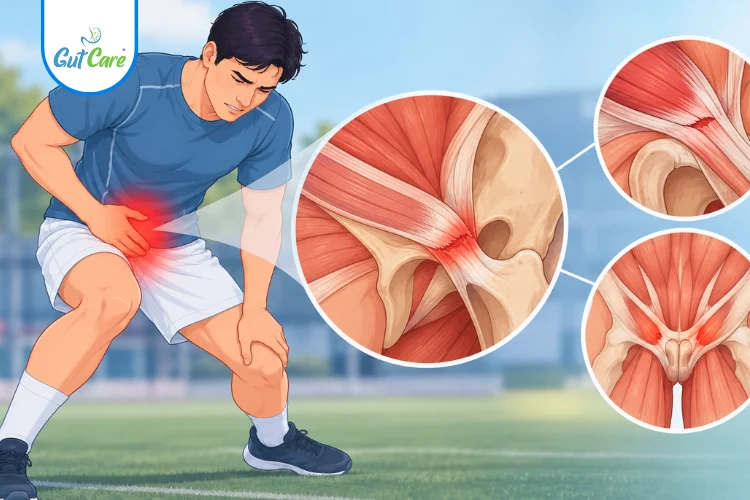
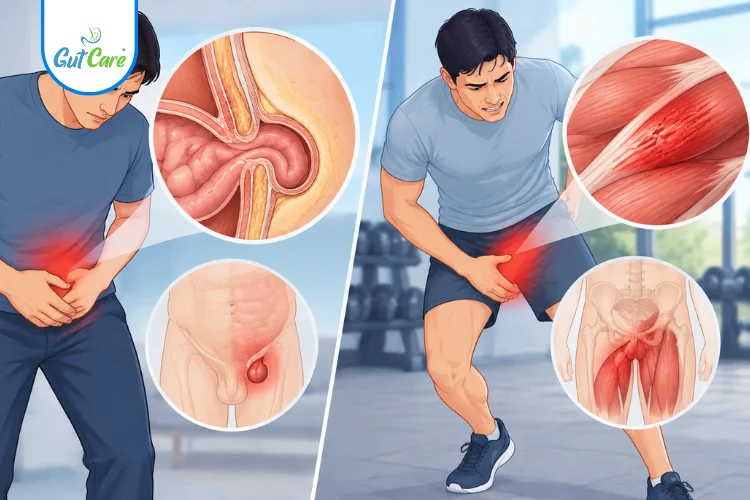
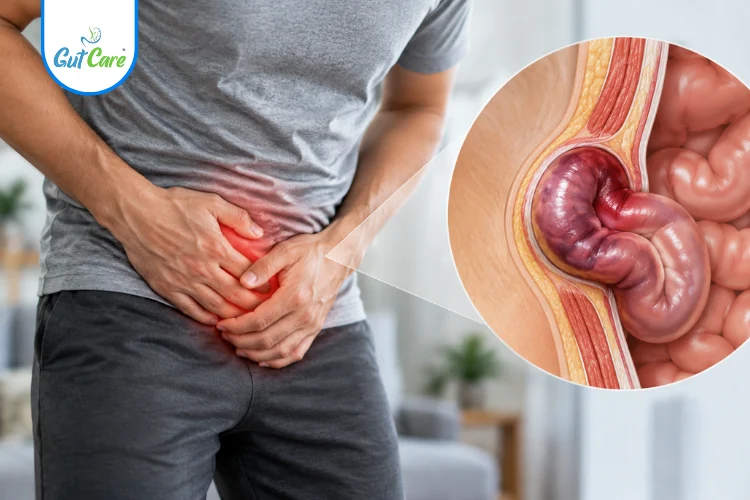
An Obturator Hernia happens when abdominal tissue or the intestine slips through the obturator foramen, leading to pain or intestinal blockage. Because it’s one of the least common hernia types, doctors often rely on specialized imaging to detect it accurately. Early diagnosis helps avoid complications like bowel obstruction or tissue damage.
Common Causes of Obturator Hernia
Several factors can contribute to the development of this rare pelvic hernia. Knowing these hernia causes helps prevent or detect it early.
- Weak pelvic muscles due to aging or long-term weight loss
- Chronic cough or constipation increasing internal pressure
- Repeated pregnancies that stretch abdominal muscles
- Previous abdominal surgeries weakening the tissue
- Nutritional deficiencies or loss of muscle tone
These issues gradually reduce muscle strength in the pelvic area, allowing part of the intestine to press through the canal.
Recognizing Key Symptoms
Recognizing Obturator Hernia symptoms early can make a big difference in recovery. Because this condition is uncommon, symptoms are often mistaken for other abdominal or nerve-related issues.
- Persistent pelvic or inner thigh pain, especially while moving
- Signs of bowel blockage, such as bloating, nausea, or vomiting
- Pain spreading toward the knee or leg (known as Howship-Romberg sign)
- Loss of appetite and discomfort in the lower abdomen
- Tenderness or mild swelling near the pelvic region
If these signs appear, consult a colorectal specialist promptly to confirm the cause and begin proper care.
Hernia Types and How This One Differs
There are several types of hernia, each with distinct characteristics:
- Inguinal Hernia – Common in the groin region, mostly in men
- Femoral Hernia – Found near the upper thigh, frequent in women
- Umbilical Hernia – Around the belly button area
- Pelvic Obturator Hernia – A deep, hard-to-detect hernia inside the pelvic wall
The pelvic version is unique because it doesn’t form an external bulge. That’s why professional diagnosis using imaging is essential.
Diagnosis: How Specialists Identify It
Detecting this hernia type requires precision and experience. At Gutcare Clinics, Dr. Yuvrajsingh Gehlot uses advanced imaging tools and medical expertise for accurate identification.
Common diagnostic methods include:
- CT Scan – Reveals the exact hernia site and bowel involvement
- Ultrasound – Detects internal tissue displacement
- Physical Examination – Helps evaluate tenderness and possible obstruction
- MRI Scans – Provide detailed images of pelvic structures
Early detection prevents severe hernia complications, including intestinal blockage or strangulation.
Treatment and Care Options
The standard hernia treatment for this condition involves surgery. Depending on severity, surgeons may choose minimally invasive or open repair techniques.
Main treatment approaches include:
- Laparoscopic Repair – A modern, less invasive surgery promoting faster healing
- Open Surgery – Suitable for large hernias or bowel obstruction cases
- Post-Surgical Care – Avoid heavy lifting, follow a balanced diet, and attend follow-up visits
At Gutcare Clinics, patients receive individualized care and guidance throughout recovery, ensuring long-term comfort and health.
Possible Complications if Left Untreated
Ignoring the signs of this condition can result in serious issues such as:
- Intestinal blockage or strangulation
- Infection due to trapped bowel contents
- Ongoing pain or digestive discomfort
- Emergency surgery in severe cases
Prompt attention from a colorectal surgeon can help avoid these complications and promote safe healing.
Prevention Tips
Although not every hernia can be prevented, certain lifestyle habits can reduce the risk:
- Maintain a healthy body weight
- Eat a fiber-rich diet to prevent constipation
- Exercise regularly to strengthen abdominal muscles
- Avoid lifting heavy objects without support
- Get timely care for chronic cough or digestive issues
Healthy routines and regular checkups go a long way in preventing abdominal wall weakness.
Conclusion
The Obturator Hernia is uncommon but can pose serious health risks if ignored. Early recognition of hernia signs, proper diagnosis, and timely treatment can ensure a smooth recovery. If you experience persistent abdominal or thigh pain, visit Gutcare Clinics in Bangalore for expert care by Dr. Yuvrajsingh Gehlot, an experienced colorectal surgeon specializing in hernia management. Understanding the Obturator Hernia function and symptoms is the key to maintaining better digestive and pelvic health.
Frequently Asked Questions (FAQs)
1. What are the most common Obturator Hernia symptoms?
Common Obturator Hernia symptoms include pelvic pain, thigh discomfort, nausea, and bowel obstruction.
2. How is an Obturator Hernia diagnosed?
It’s diagnosed using CT scans or MRI, which help identify intestinal movement through the obturator canal.
3. Can Obturator Hernia be treated without surgery?
In most cases, surgery is necessary to correct the defect and prevent complications.
4. Who is most at risk for Obturator Hernia?
Elderly women, people with significant weight loss, and those with weakened pelvic muscles are at higher risk.
5. Why choose Gutcare Clinics for Obturator Hernia treatment?
Gutcare Clinics, Bangalore, led by Dr. Yuvrajsingh Gehlot, provides expert diagnosis and advanced Obturator Hernia treatment using minimally invasive techniques.