The gallbladder is a small organ located below the liver that helps digest fats by storing and releasing bile. When this organ becomes inflamed due to infection, blockage, or other causes, the condition is known as gallbladder infection (cholecystitis).
Many people ignore early symptoms because they mistake gallbladder pain for normal stomach discomfort or indigestion. However, untreated cholecystitis can sometimes lead to serious complications.
Understanding the causes and symptoms of gallbladder infection can help you identify warning signs early and seek timely medical advice. At Gutcare Clinics, Bangalore, our gastroenterology team focuses on accurate diagnosis and personalised treatment approaches for digestive and gallbladder-related conditions.
If you are experiencing repeated abdominal pain, digestive discomfort, or symptoms related to gallbladder problems, consult a gastroenterologist for proper evaluation.
Book an appointment Today!
What Is Gallbladder Infection (Cholecystitis)?
Gallbladder infection, medically called cholecystitis, is the inflammation of the gallbladder. It usually occurs when bile cannot flow out of the gallbladder properly, leading to irritation, swelling, and sometimes infection.
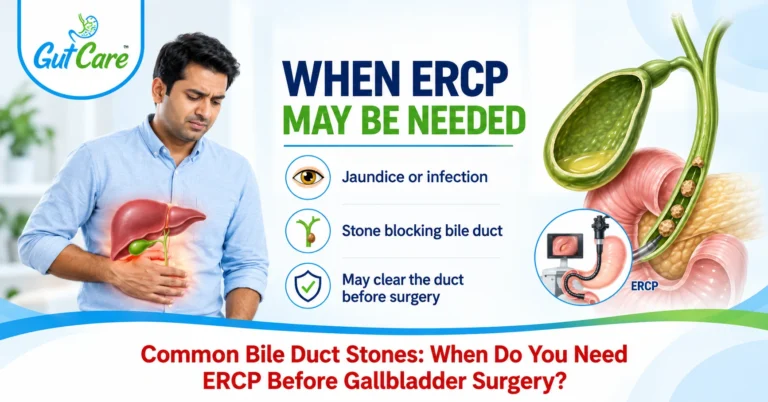
The most common reason behind cholecystitis is a blockage caused by gallstones. These stones can block the cystic duct, the small tube that carries bile from the gallbladder, causing bile buildup and inflammation.
Cholecystitis can be:
- Acute cholecystitis: A sudden inflammation that causes severe symptoms and requires medical attention.
- Chronic cholecystitis: Long-term inflammation caused by repeated episodes of gallbladder irritation.
Early diagnosis can help prevent complications and improve treatment outcomes.
What Causes Gallbladder Infection?
Several factors can contribute to gallbladder inflammation. Understanding these causes can help people recognise their risk factors.
Gallstones Blocking the Bile Flow
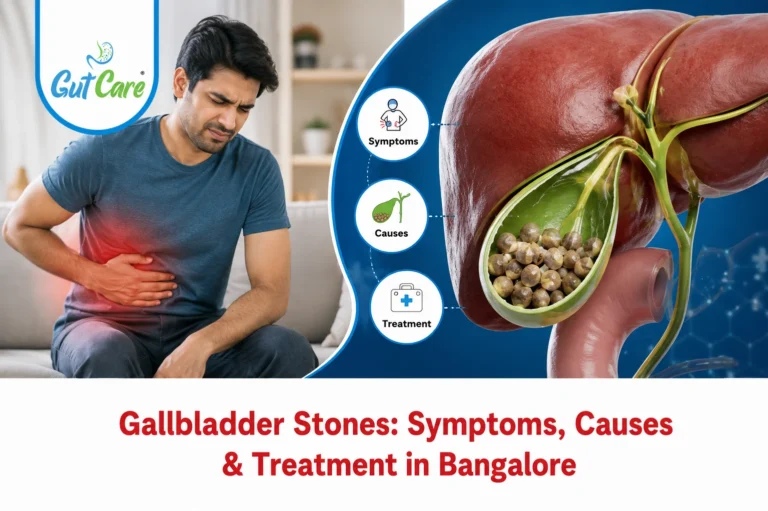
The most common cause of gallbladder infection is gallstones. These hardened deposits form inside the gallbladder and can block the normal movement of bile.
When bile gets trapped, pressure builds inside the gallbladder, causing inflammation and pain.
Bacterial Infection
In some cases, bacteria can multiply in the blocked gallbladder and lead to infection. Bacterial growth may worsen inflammation and increase the risk of complications.
Problems With Gallbladder Emptying
Sometimes the gallbladder does not empty properly due to functional problems. This can cause bile buildup and increase irritation over time.
Other Risk Factors
Certain factors may increase the chances of developing cholecystitis, including:
- Being overweight or experiencing rapid weight changes
- A diet high in unhealthy fats
- Increasing age
- Family history of gallstones
- Certain medical conditions affecting bile flow
- Diabetes
Common Symptoms of Gallbladder Infection
The symptoms of cholecystitis can vary depending on whether the condition is acute or chronic. Recognising these signs early is important.
Right Upper Abdominal Pain
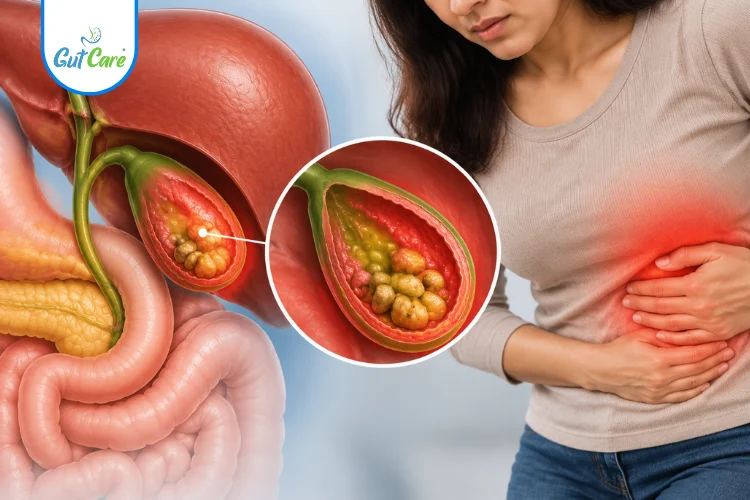
One of the most common symptoms of gallbladder infection is pain in the upper right side of the abdomen, where the gallbladder is located.
The pain may:
- Start suddenly
- Become severe over time
- Continue for several hours
- Spread to the right shoulder or back
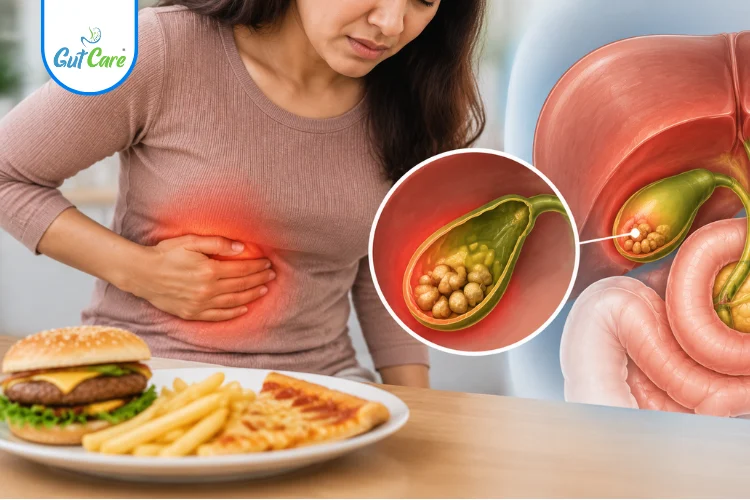
Many people notice that the pain becomes worse after eating fatty or heavy meals.
Nausea and Vomiting
Gallbladder inflammation can affect digestion and may cause:
- Nausea
- Vomiting
- Loss of appetite
- Feeling uncomfortable after meals
These symptoms often occur along with abdominal pain.
Fever and Chills
A fever may indicate that an infection is present. Chills, sweating, and feeling generally unwell can occur when inflammation becomes more severe.
Tenderness in the Abdomen
People with cholecystitis may experience tenderness when pressure is applied to the upper right abdomen.
Digestive Problems
Some people may experience:
- Bloating
- Indigestion
- Gas
- Feeling full quickly
- Discomfort after eating
These symptoms can overlap with other digestive conditions, so proper medical evaluation is important.
Yellowing of Skin or Eyes (Jaundice)
If bile flow becomes severely blocked, bilirubin levels can increase, causing yellowing of the skin or eyes.
This symptom requires medical attention because it may indicate a blockage affecting the bile ducts.
Acute vs Chronic Cholecystitis: Understanding the Difference
Acute Cholecystitis
Acute cholecystitis develops suddenly and usually causes noticeable symptoms.
Common features include:
- Severe abdominal pain
- Fever
- Nausea and vomiting
- Gallbladder tenderness
It often requires prompt medical evaluation to prevent complications.
Chronic Cholecystitis
Chronic cholecystitis develops gradually due to repeated episodes of inflammation.
Symptoms may include:
- Recurrent abdominal discomfort
- Digestive issues after meals
- Mild but repeated pain episodes
Because symptoms may appear less severe, some people delay seeking treatment.
How Is Gallbladder Infection Diagnosed?
A doctor may use several methods to diagnose cholecystitis and identify the underlying cause.
Medical History and Physical Examination
The doctor will discuss symptoms, pain patterns, diet habits, and previous digestive issues. A physical examination helps identify areas of tenderness.
Ultrasound Scan
An abdominal ultrasound is commonly used to detect:
- Gallstones
- Gallbladder swelling
- Thickening of the gallbladder wall
- Signs of inflammation
Blood Tests
Blood tests may help identify signs of infection or inflammation, including increased white blood cell counts and changes in liver-related markers.
Additional Imaging Tests
In some cases, doctors may recommend:
- CT scan
- MRI or MRCP
- HIDA scan
These tests provide more detailed information about gallbladder function and bile flow.
When Should You See a Doctor for Gallbladder Symptoms?
Many digestive symptoms can appear mild initially, but certain warning signs should not be ignored.
Seek medical advice if you experience:
- Severe or persistent abdominal pain
- Pain lasting several hours
- Fever with abdominal discomfort
- Repeated vomiting
- Yellowing of the eyes or skin
- Frequent episodes of gallbladder pain after meals
Early consultation can help identify the problem before complications develop.
How Is Gallbladder Infection Treated?
Treatment depends on the severity of inflammation, the cause, and the overall health of the patient.
Medications and Supportive Care
Doctors may recommend:
- Pain management medicines
- Antibiotics if infection is present
- Fluids and dietary adjustments
These treatments may help control symptoms, especially during acute episodes.
Gallbladder Surgery (Cholecystectomy)
For many people with recurring gallbladder infections caused by gallstones, doctors may recommend removing the gallbladder.
A procedure called laparoscopic cholecystectomy is commonly performed using small incisions and specialised surgical instruments.
Removing the gallbladder does not usually prevent normal digestion because bile can continue flowing from the liver directly into the intestine.
Looking for expert evaluation for gallbladder-related symptoms in Bangalore? Gutcare Clinics provides consultation and diagnosis for digestive conditions with a patient-focused approach.
Can Gallbladder Infection Be Prevented?
While not all cases can be prevented, certain lifestyle habits may reduce the risk of gallstones and related complications.
Helpful steps include:
- Maintaining a healthy weight
- Avoiding rapid weight loss
- Eating a balanced diet rich in fibre
- Limiting excessive fatty and processed foods
- Staying physically active
- Managing health conditions like diabetes
Paying attention to recurring digestive symptoms can also help detect problems earlier.
Gallbladder Infection: Why Early Diagnosis Matters
Gallbladder infection should not be ignored because prolonged inflammation can sometimes result in complications such as:
- Gallbladder rupture
- Abscess formation
- Spread of infection
- Severe bile duct problems
Getting evaluated by a qualified gastroenterologist helps determine the right treatment approach based on your condition.
At Gutcare Clinics, Bangalore, patients receive comprehensive care for digestive health concerns, including gallbladder-related problems, with proper diagnosis and personalised guidance.
Find us here:Gutcare Clinics, Indiranagar, Bangalore | Dr. Yuvraj Singh Gehlot, Digestive Health Specialist
Frequently Asked Questions About Gallbladder Infection (Cholecystitis)
What are the first symptoms of a gallbladder infection?
The first symptoms of a gallbladder infection may include sudden pain in the upper right side of the abdomen, nausea, vomiting, fever, and discomfort after eating. The pain may sometimes spread to the right shoulder or back.
What causes gallbladder infection (cholecystitis)?
The most common cause of gallbladder infection is gallstones blocking the bile duct. This blockage prevents bile from flowing normally, leading to inflammation and sometimes bacterial infection.
Where is gallbladder pain usually felt?
Gallbladder pain is commonly felt in the upper right side of the abdomen, below the ribs. It may also spread to the right shoulder blade or back, especially during an acute attack.
Can gallbladder infection go away without treatment?
Mild symptoms may temporarily improve, but untreated gallbladder infection can return or become more serious. Medical evaluation is important to identify the cause and prevent complications.
How is cholecystitis diagnosed?
Doctors usually diagnose cholecystitis through a combination of physical examination, medical history, blood tests, and imaging tests such as an abdominal ultrasound to check for gallstones and inflammation.
Is surgery always required for gallbladder infection?
Not every case requires immediate surgery. Treatment depends on the severity of infection, the cause, and the patient’s overall health. People with repeated gallstone-related infections may be advised to undergo gallbladder removal surgery.
What foods should be avoided during gallbladder problems?
People with gallbladder issues are often advised to limit high-fat foods such as fried foods, fatty meats, and heavily processed foods. A doctor or dietitian can provide personalised dietary recommendations.
Which doctor treats gallbladder infection?
A gastroenterologist evaluates and manages gallbladder-related conditions, including gallstones, cholecystitis, and digestive symptoms associated with bile flow problems.