
Expert answers to the questions you hesitate to ask
Symptoms, causes and modern treatment options, explained by our colorectal and laparoscopic specialists.
-
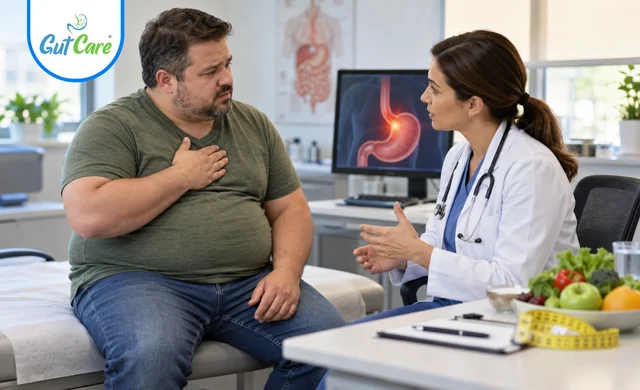 Acid Reflex or GERD
GERD and Obesity: Can Weight Loss Reduce Reflux?
Heartburn that keeps coming back may be more than an occasional reaction to a heavy meal. If you are overweight or living with obesity, extra pressure around the abdomen…
Read article -
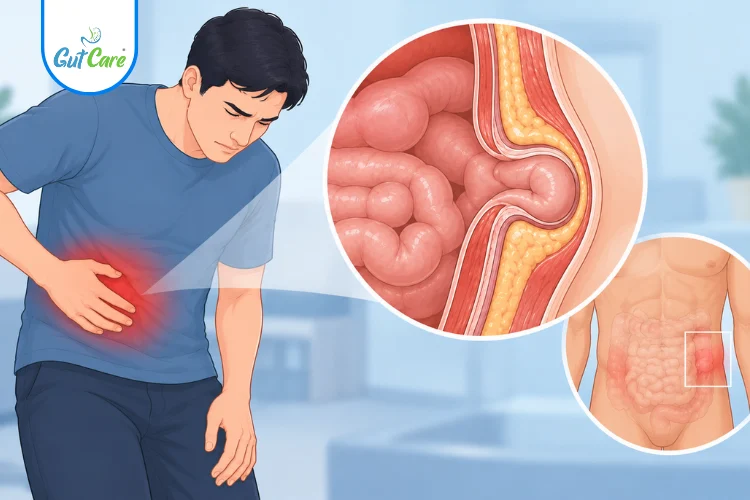 hernia
What Is a Spigelian Hernia? Symptoms, Risks, and Treatment Options
A Spigelian hernia is a type of abdominal wall hernia that develops through a weak area in the side of the abdominal wall, near the semilunar line. Unlike a typical groin…
Read article -
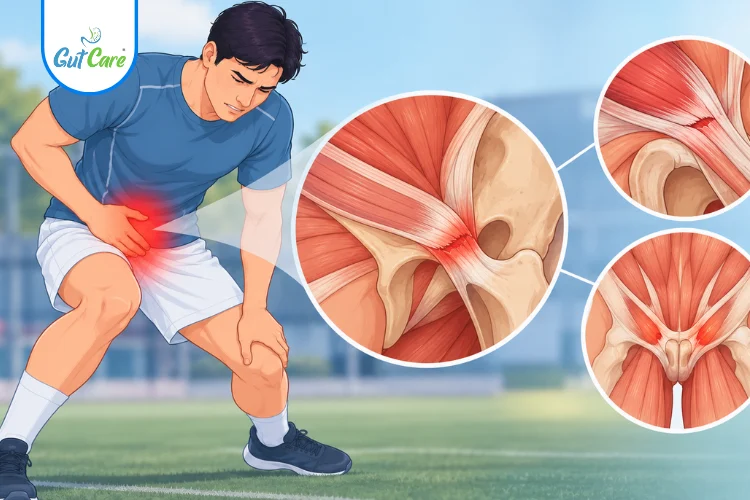 hernia
Sports Hernia (Athletic Pubalgia): Symptoms and Treatment
A sharp or persistent pain in the groin or lower abdomen can be frustrating, particularly when it appears during running, football, cricket, sudden changes of direction…
Read article -
 Colorectal Cancer
Hereditary Colorectal Cancer: Who Needs Genetic Testing?
Colorectal cancer does not always happen by chance. In some families, inherited genetic changes can increase the likelihood of developing colorectal, endometrial and…
Read article -
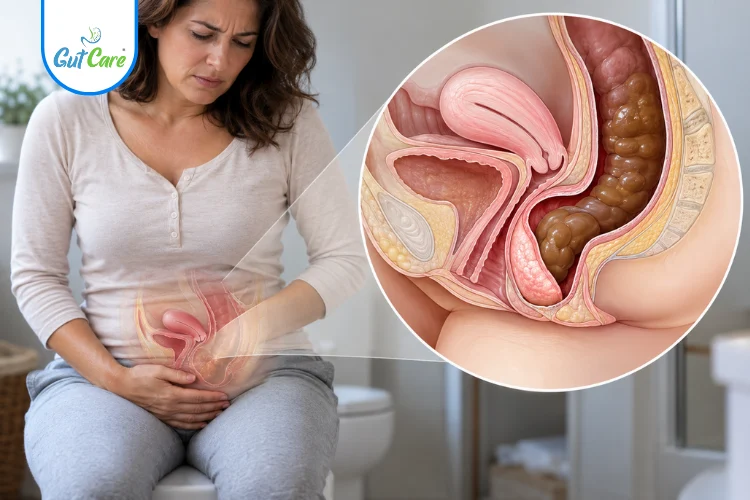 Constipation
Rectocele and Constipation: When the Rectum Bulges
Constipation is usually associated with diet, dehydration or slow bowel movements. But when constipation continues despite making changes to your diet and bowel habits…
Read article -
 Constipation
Slow Transit Constipation: Causes, Tests and Treatment
Constipation that keeps returning despite changes to diet, fluids or laxatives may need a closer look. Slow transit constipation occurs when stool moves unusually slowly…
Read article -
 piles/Hemorrhoids
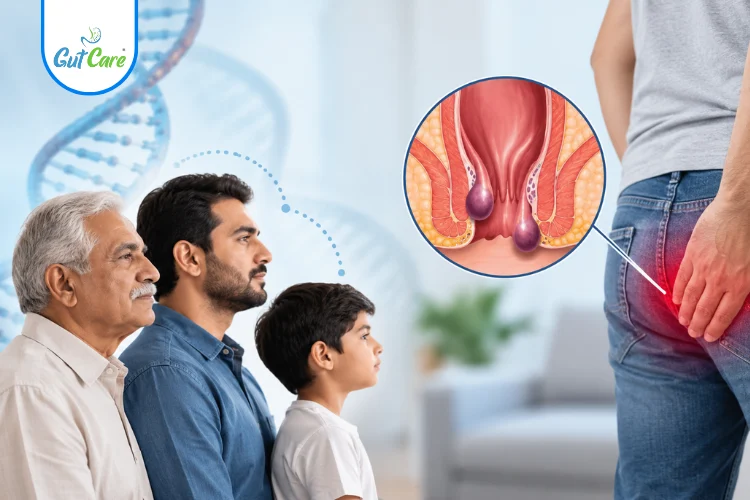
Is Piles Hereditary? Understanding Genetic Risk Factors
Piles, also called haemorrhoids, are common and can cause bleeding, itching, swelling, discomfort or a lump around the anus. If several people in your family have had…
Read article -
 piles/Hemorrhoids
Doppler-Guided Hemorrhoidal Artery Ligation (THD) for Piles
Living with piles can mean dealing with bleeding, itching, discomfort or tissue that comes out during bowel movements. When these symptoms keep returning despite dietary…
Read article -
 Anal Fistula
Seton Treatment for Anal Fistula: Types, Duration, and Care
An anal fistula can be difficult to ignore. Repeated drainage, discomfort, skin irritation or a swelling that comes and goes may indicate a tract connecting the anal…
Read article -
 Anal Fistula
LIFT Procedure for Anal Fistula: How It Preserves the Sphincter
An anal fistula is an abnormal tunnel that develops between the inside of the anal canal and the skin around the anus. While some fistulas can be treated with procedures…
Read article -
 Anal fissures
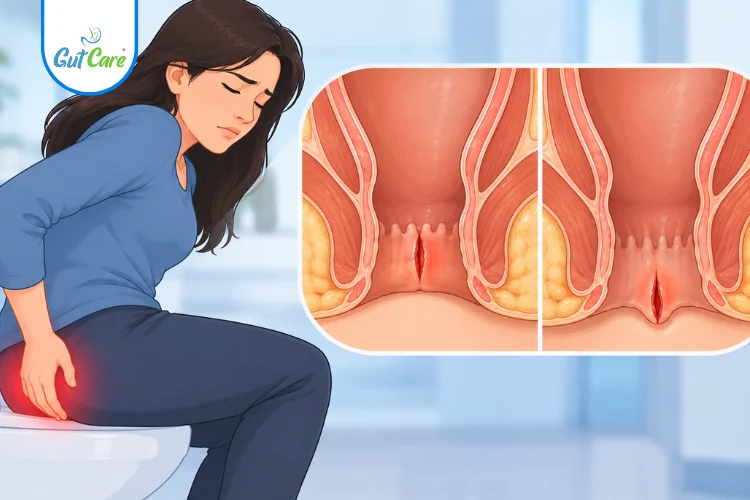
Anterior vs Posterior Anal Fissure: Why Location Matters
An anal fissure is a small tear in the lining of the anal canal, and its location can provide clues about how it developed. Most typical fissures occur in the posterior…
Read article -
 Acid Reflex or GERD
Barrett’s Esophagus: Can Acid Reflux Raise Cancer Risk?
Persistent heartburn is often treated as a simple digestive problem. But when acid reflux continues for years, repeated exposure to stomach acid can damage the lining of…
Read article